
Categories
Neighborhoods in Colorado Springs, Where to Live in Colorado SpringsPublished June 10, 2026
North vs. West vs. East vs. South: Where Should You Live in Colorado Springs?

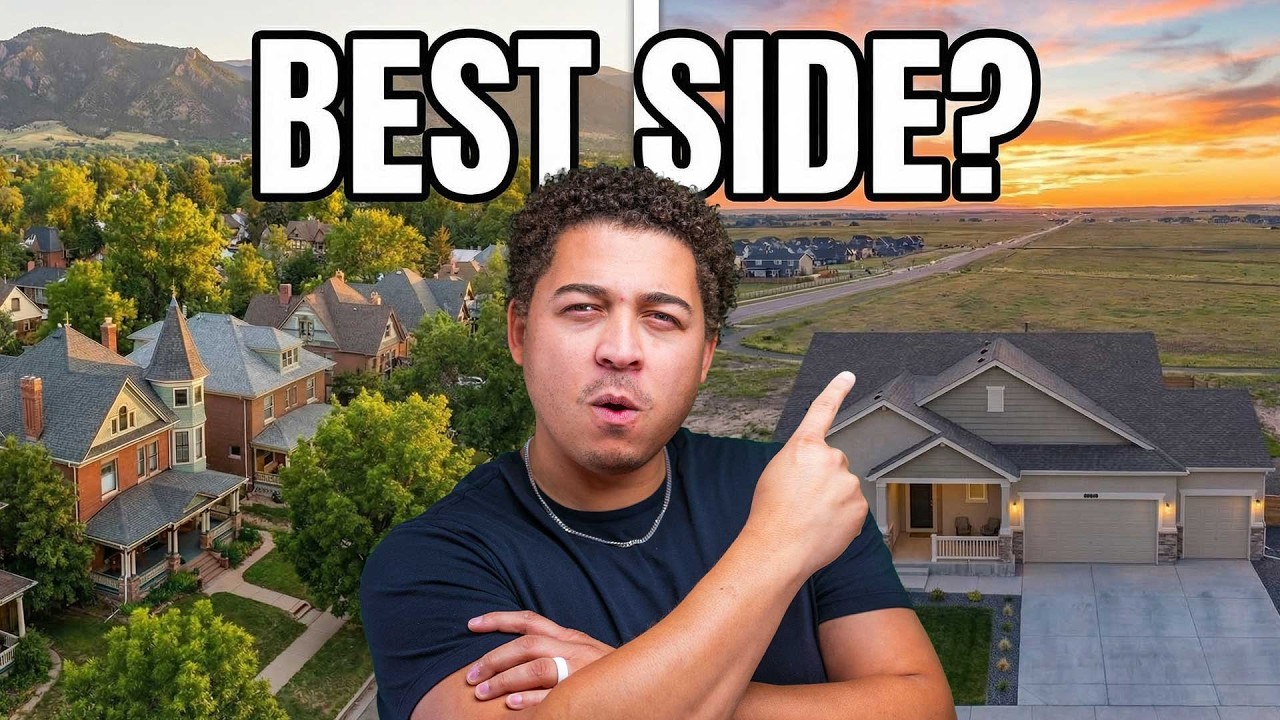
If you're thinking about moving to Colorado Springs, here's the mistake almost everyone makes.
They ask, "What's the best neighborhood?"
The problem is that Colorado Springs doesn't really work that way.
In reality, Colorado Springs is less like one city and more like four very different lifestyles pointing in four different directions: North, West, East, and South.
That's why where you should live has far less to do with zip codes and far more to do with how you want your everyday life to feel.
At The Berisford Group, we've seen people move here at the same time, buy similarly priced homes, and have completely different experiences. One loves it. The other can't wait to leave.
More often than not, it comes down to where they chose to live.
Instead of ranking neighborhoods, let's break Colorado Springs into its four major regions, what daily life feels like in each one, who each area tends to work best for, and the tradeoffs most buyers don't discover until after they've moved.
North Colorado Springs: Convenience, Schools, and Predictability
If your goal is to make daily life feel as smooth and predictable as possible, the North side is usually where people start their search.
This is where Colorado Springs feels the most traditionally suburban. You'll find newer homes, newer roads, highly rated schools, and an abundance of shopping, restaurants, and everyday conveniences. For many residents, everything they need is within a relatively small radius.
The North side tends to appeal to buyers prioritizing schools, professionals who want low-friction routines, and people thinking about long-term stability and resale value. If you're relocating from another suburb somewhere else in the country, this area will probably feel familiar almost immediately.
The tradeoff isn't price. Most buyers expect that.
The real tradeoff is separation.
You're farther from the mountains, farther from historic parts of the city, and farther from many of the iconic places people associate with Colorado Springs. Over time, that distance subtly shapes your lifestyle. Errands become easier, routines become more efficient, but spontaneity often decreases.
After-work hikes become weekend plans. Downtown dinners become occasional outings. The mountains slowly transition from being part of your daily environment to something you visit.
For some people, that's exactly what they want. For others, they eventually realize they moved to Colorado without feeling particularly close to Colorado.
One thing many buyers don't realize until later is that once they move to the North side, they rarely leave it. Not because it's a bad place to live, but because nearly everything they need is already built around them.
West Colorado Springs: Character, Proximity, and Lifestyle
If the mountains are the reason you're moving to Colorado Springs, the West side is probably what you're imagining.
This part of the city offers older neighborhoods, mature trees, winding streets, and immediate access to trails and outdoor recreation. It's where Colorado Springs feels most like a mountain town.
The West side tends to attract people who value proximity over polish, character over square footage, and access over convenience. If your ideal evening involves finishing work and being on a trail ten minutes later, it's difficult to beat.
The tradeoff isn't simply that homes are older.
It's that older homes ask more of you.
Maintenance becomes a more regular part of life. Streets are often tighter, parking can be limited, and many homes were built long before modern expectations for storage, garages, and floor plans. Even city services can feel a little slower in some of the historic areas.
The West side rewards people who enjoy being involved in their homes and neighborhoods. But if you prefer things to simply work without much effort, the friction can add up over time.
People who love the West side tend to accept those tradeoffs early. People who don't often feel like they're constantly compromising.
The real cost of the West side isn't necessarily the purchase price. It's the tolerance it requires. Those who love the area forgive the quirks. Those who don't eventually get worn down by them.
East Colorado Springs: Space, Value, and Growth
The East side is where Colorado Springs stretches outward.
Wider roads, larger lots, newer construction, and more house for the money define much of the area's appeal. It's also where a significant amount of the city's growth continues to happen.
This side of town works especially well for families who need space, buyers focused on value, and people who want newer homes without some of the pricing found farther north.
If square footage matters more than walkability, the East side makes a compelling case.
The tradeoff isn't necessarily price or distance.
It's that you're often trading value for a less distinctly Colorado experience.
The East side feels more suburban than mountain-town. Developments are larger, roads are wider, and natural landmarks are less prominent in daily life. You may get significantly more home for your money, but often with less sense of place.
For some buyers, that's completely fine.
For others, it slowly chips away at the reason they moved here in the first place.
One of the biggest surprises about the East side is that it rarely feels like a compromise at first. In fact, it often feels like a win. More house. Newer construction. Lower price.
But over time, some residents realize they didn't really move into Colorado Springs. They moved next to it.
Daily life can begin to feel more like a well-designed suburb that happens to be in Colorado than a place that feels uniquely Colorado. For some people that's a non-issue. For others, it's something they eventually miss.
South Colorado Springs: Affordability, Access, and Variability
The South side is one of the most overlooked and misunderstood parts of Colorado Springs.
It features older infrastructure, more mixed-use pockets, and less visual consistency than many other parts of the city. At the same time, it's centrally located, accessible, and often more affordable than much of Colorado Springs.
This area tends to appeal to first-time buyers, military families, and buyers prioritizing affordability, access, and long-term upside. For many people, it can be a smart entry point into the local housing market.
The biggest tradeoff here is variability.
You don't get the same block-to-block consistency that you find elsewhere in the city. One street can feel established and improving, while the next may feel transitional.
That doesn't make the South side a bad choice. It simply means context matters more.
This is the part of town where online research helps, but rarely tells the full story. School ratings, crime maps, market data, and neighborhood statistics can provide useful information, but they often miss the nuances that shape everyday life.
When buyers struggle with the South side, it's usually not because the house was wrong. It's because the location was misunderstood.
This is also the side of Colorado Springs where experience matters most. Two homes with nearly identical stats can deliver completely different living experiences once you move in.
On the South side, averages don't tell the full story. Local knowledge does.
And when buyers get it right, we've seen some of the strongest long-term value opportunities in the city.
So, Which Side of Colorado Springs Is Best?
The truth is that Colorado Springs doesn't have a best side.
It has tradeoffs.
Those tradeoffs rarely show up in listing photos, neighborhood rankings, or home search filters. But they have a huge impact on what daily life feels like after the move.
The people who end up happiest in Colorado Springs are usually the ones who chose the side of town that matched their lifestyle, not just their budget.
If you're planning a move to Colorado Springs and want help figuring out which part of the city actually fits the way you want to live, The Berisford Group would be happy to help.

Chris Berisford
Owner/Broker | Berisford Group | Real Broker | PLACE
or another way